A slab leak is a leak in a water pipe that runs underneath or through the concrete slab your home is built on. The most dependable signs are a warm spot on the floor, the sound of running water when every tap is off, a water bill that rises without explanation, damp or buckling flooring, and a water meter that keeps moving with everything shut off. When two or more of these appear together, a slab leak is the likely explanation and a professional check is the right next step.
Most homes in Leesburg sit on concrete slabs with the water lines buried beneath them, so a leak can run quietly for weeks before the evidence reaches the surface. The encouraging part is that the signs follow a consistent pattern, and modern slab leak detection pinpoints the break with acoustic and thermal equipment — no guesswork, and no tearing up floors to go looking.
The classic signs of a slab leak are a warm spot on the floor from a hot water line, the sound of running water with all taps off, an unexplained jump in the water bill, damp or buckling flooring, and low water pressure. Any two of these together is strong reason to call a leak detection professional.
In This Article
What To Do Right Now
Suspect a slab leak? These calm first steps protect your home while you arrange a professional visit:
- Listen and look before you touch anything. Walk the house quietly and note where you hear water, feel warmth underfoot, or see dampness. These observations help the technician narrow the search.
- Run the water meter test. Turn off every tap and water-using appliance, then watch the meter for several minutes. If the dial or leak indicator keeps moving, water is leaving the system somewhere. Our guide to reading your water meter for leaks walks through the test step by step.
- Shut off the main valve if water is actively entering the home. If water is seeping up through the floor, use the main shutoff — usually near the meter or where the line enters the house — to stop the flow.
- Lift rugs and move furniture off damp areas. Trapped moisture damages flooring and furniture finishes quickly; moving things costs nothing and limits the harm.
- Photograph every sign. Warm spots, damp patches, and meter readings documented today are useful if you later discuss the damage with your insurer.
- Do not break into the floor yourself. Cutting concrete without knowing the leak's exact location destroys flooring and can damage the pipe further. Pinpoint detection always comes first.
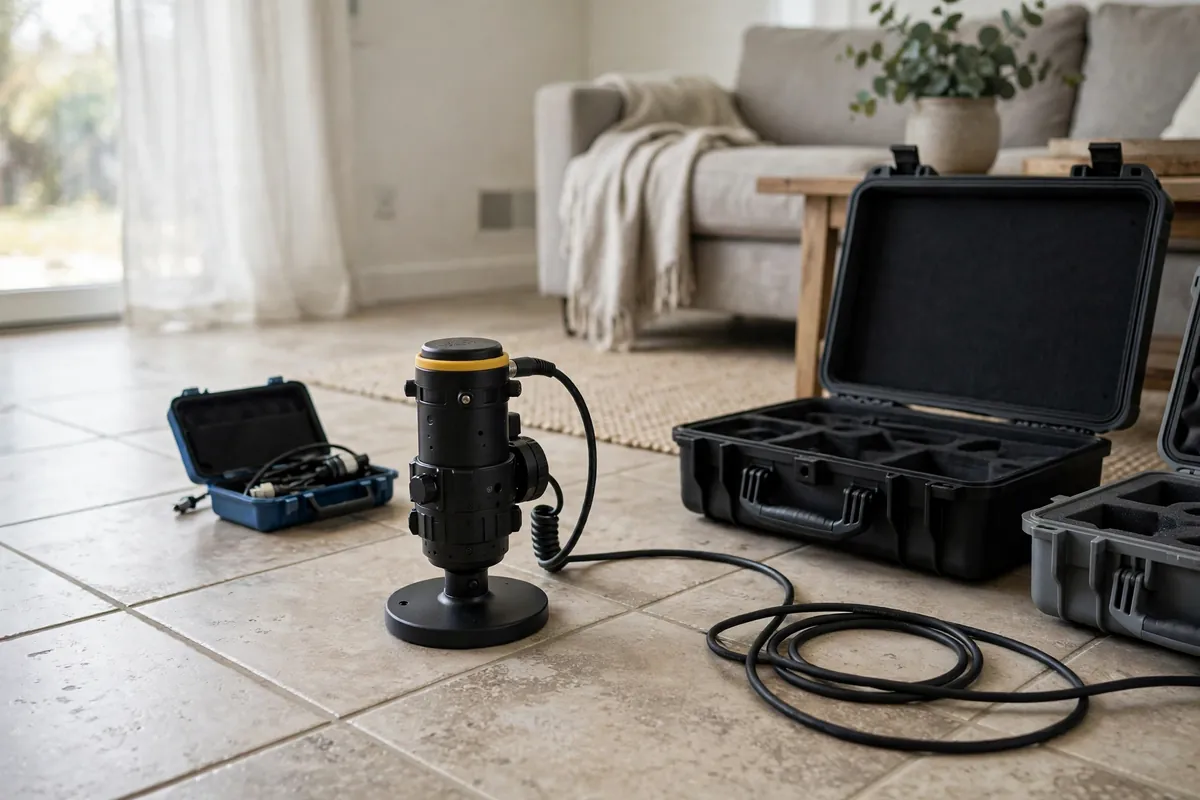
- Call a leak detection professional. A slab leak specialist locates the break with acoustic listening and thermal imaging before any concrete is touched.
If you hear running water beneath the floor or see water seeping up through cracks, call now — an active slab leak keeps damaging flooring and feeding mold growth for as long as it runs.
Signs To Look For
Slab leaks rarely produce one dramatic symptom. More often they build a pattern of small clues, and the pattern is what gives them away:
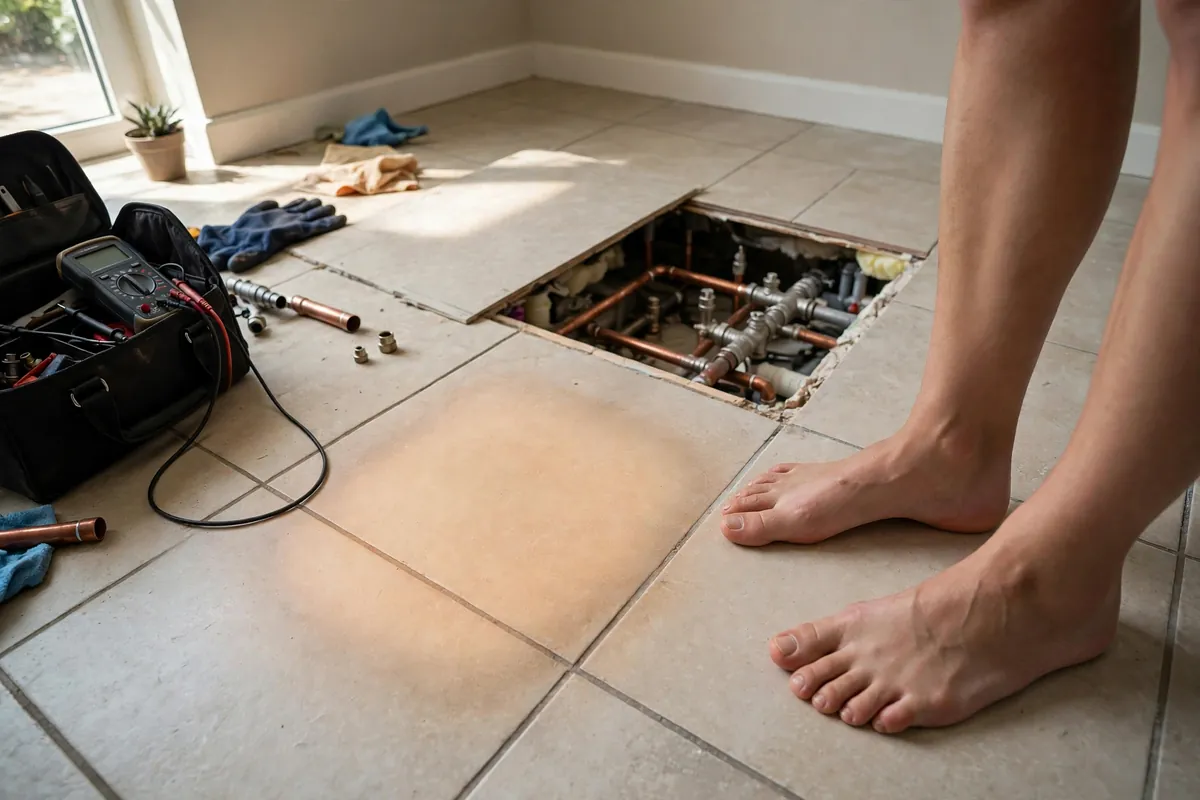
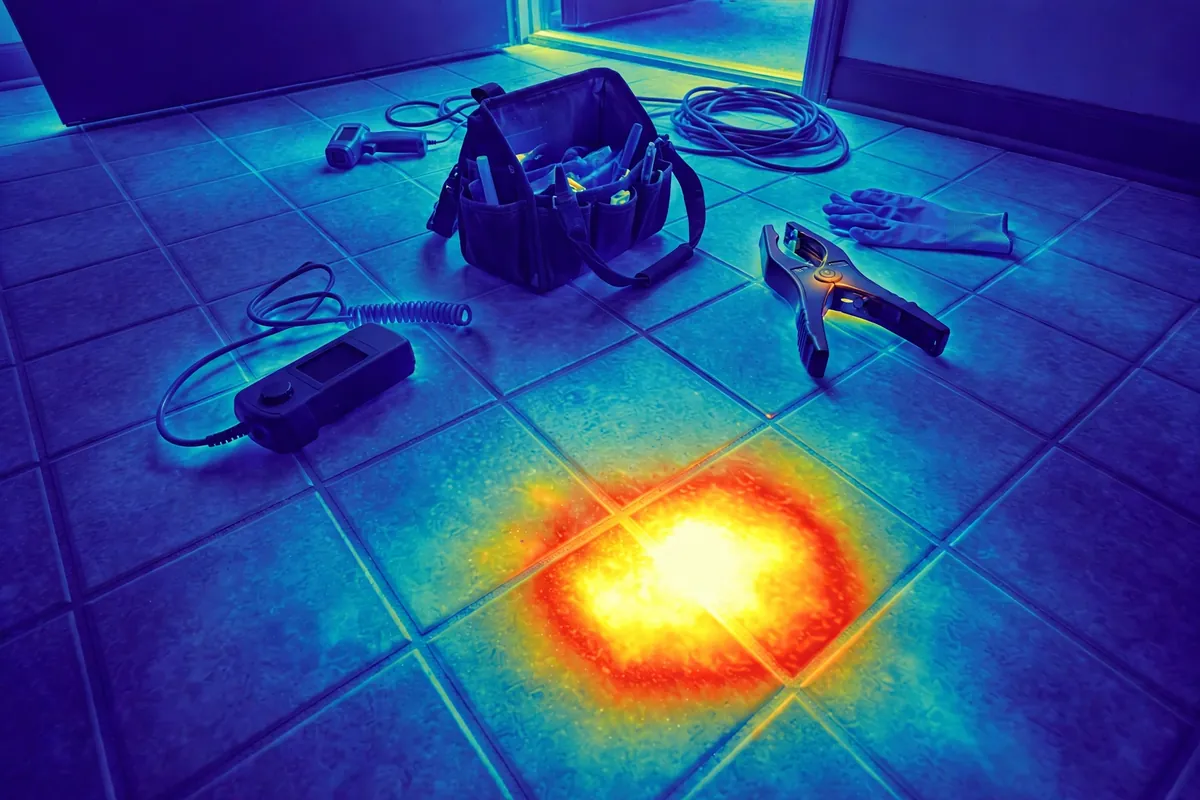
- A warm or hot spot on the floor. A hot water line leaking under the slab heats the concrete above it. Walk barefoot across tile or vinyl and feel for a patch that is noticeably warmer than the surrounding floor. This is the single most distinctive slab leak sign, and it deserves its own closer look in our article on hot water slab leaks.
- The sound of running water with everything off. Press your ear to the floor in a quiet house. A hissing, rushing, or trickling sound under the slab means pressurized water is escaping somewhere.
- A water bill that climbs for no reason. A slab leak runs around the clock, so even a small break adds up. If your usage jumps while your habits stay the same, a hidden leak driving up your bill belongs at the top of the suspect list.
- Damp carpet, buckling wood, or loosening tile. Moisture wicking up through the slab attacks flooring from below. Carpet that stays damp in one spot, laminate that cups, or tile grout that darkens in a patch all point downward.
- Low water pressure. A leak bleeds off pressure before water reaches your fixtures. If pressure drops house-wide and the cause is not municipal work, a slab leak is one candidate.
- A water heater that runs constantly. A hot water slab leak forces the heater to reheat replacement water nonstop. Unusually long or frequent heater cycles deserve attention.
- Musty or mildew odors. Chronic moisture under flooring feeds mildew long before you see staining. A persistent earthy smell in one room is worth investigating.
- Cracks in the slab or walls. Water escaping under the foundation can erode the supporting soil, and the resulting movement shows up as new cracks in tile, drywall, or the slab edge.
No single sign proves a slab leak on its own — a warm floor could be sun exposure, and a high bill could be a running toilet. The diagnosis comes from the combination, confirmed by a meter test and professional professional non-invasive detection.
Common Causes
Understanding what causes slab leaks helps you read the signs with the right context. The usual culprits:
- Corrosion of copper water lines. Many Florida homes were plumbed with copper run directly under the slab. Over years, water chemistry, minerals, and soil conditions pit and thin the pipe wall until a pinhole opens. Our deep dive into what causes slab leaks in Florida homes explains this process in detail.
- Abrasion where pipe meets concrete. Hot water lines expand and contract with every heating cycle. If the pipe rubs against rough concrete or a sharp slab edge, the repeated friction wears through the metal — a common failure point at bends and penetrations.
- Excessive water pressure. Pressure that stays too high year after year stresses every joint and fitting in the system. Under-slab fittings take the punishment silently until one gives way.
- Installation flaws from the original build. Kinked pipe, poorly soldered joints, or lines laid without protective sleeving where they pass through concrete all create weak points that fail years later.
- Soil movement beneath the slab. Florida's sandy soils shift and settle, and erosion from the leak itself can wash out support under the slab. Even slight movement flexes buried pipe and cracks rigid joints.
Age multiplies every one of these risks, which is why slab leaks cluster in homes whose plumbing has seen a couple of decades of service.
What Happens If You Wait
A slab leak does not stabilize on its own — pressurized water keeps escaping until the pipe is repaired. What changes with time is the scale of the damage around it:
- Flooring damage spreads. Wood swells and cups, laminate delaminates, carpet padding breaks down, and tile adhesive lets go. The longer moisture wicks upward, the larger the area that needs replacing.
- Mold and mildew take hold. Dark, damp space under flooring is ideal for microbial growth. Musty odors are usually the first hint, and remediation gets harder the longer colonies spread.
- Water bills keep climbing. A leak that runs twenty-four hours a day wastes water continuously, and the charges accumulate on every billing cycle until the repair.
- Soil erodes under the slab. Escaping water washes fine soil away from beneath the foundation. Over time the unsupported slab can crack or settle, turning a plumbing repair into a structural concern.
- The water heater works overtime. On the hot side, the heater reheats incoming cold water around the clock, adding energy cost and wear to the unit.
None of this means panic is warranted — it means promptness pays. Catching a slab leak in its first weeks usually limits the job to detection plus a contained repair.
A water meter that spins with everything off is the clearest evidence of a continuous leak. Shut off the main valve when you leave the house until a professional has located the break.
Safe DIY Checks Vs When To Call A Professional
Homeowners can safely confirm a suspected leak. Locating the exact break and opening the slab are professional work. Here is the dividing line:
| Check Or Task | DIY Or Professional |
|---|---|
| Water meter spin test with everything off | DIY — safe and takes minutes |
| Listening for running water under the floor | DIY — just a quiet house |
| Feeling for warm spots on tile or vinyl | DIY — walk barefoot and note locations |
| Pinpointing the leak's exact position | Professional — acoustic and thermal equipment |
| Breaking or cutting the concrete slab | Professional — wrong spot means double the damage |
| Repairing or rerouting the damaged line | Professional — pressurized plumbing work |
| Anything involving water near electrical fixtures | Professional — safety risk, no exceptions |
The meter test and a careful listen cost nothing and carry no risk — do them today if you are suspicious. Everything beyond that involves concrete, pressurized pipe, or both, and mistakes there multiply the repair bill. A professional leak detection visit uses acoustic sensors and thermal cameras to mark the leak's position within inches, so the repair opens the smallest possible area.
One more boundary worth stating plainly: never touch electrical fixtures, outlets, or appliances standing in water, and never attempt repairs on pressurized lines yourself. Water and electricity together are a job for professionals, full stop.
How The Service Fixes It
Professional slab leak work follows a disciplined sequence: confirm, locate, then repair. First the technician verifies the leak with a meter and pressure test, then pinpoints it with acoustic listening and thermal imaging. Only then does anyone discuss opening the floor — and the opening targets the marked spot, not a general area.
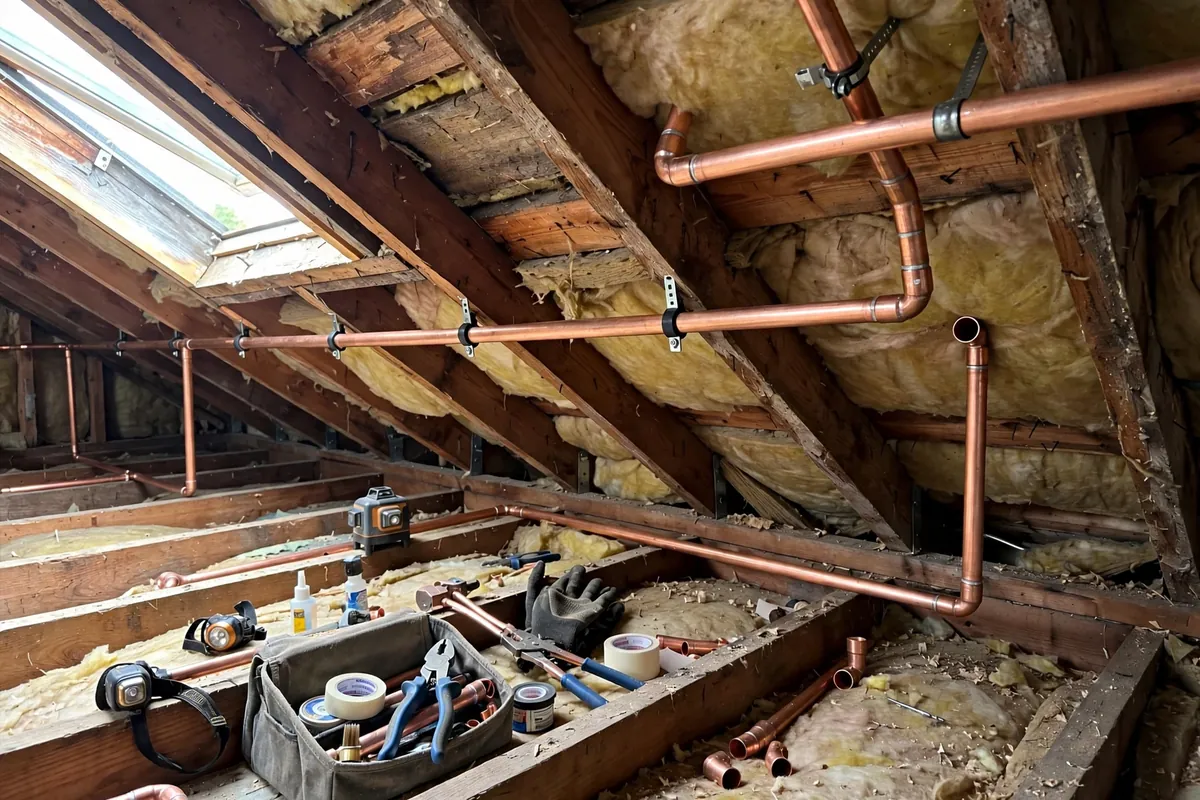
The repair itself is usually either a spot repair (open the slab at the leak, replace the damaged section) or a reroute (abandon the under-slab line and run a new line through walls or the attic). Each suits different situations, and our comparison of spot fix versus reroute lays out the trade-offs.
If the signs are urgent — water visibly entering the home, a rapidly climbing meter, or buckling floors — our emergency slab leak service responds around the clock. For a suspected but not yet confirmed leak, start with scheduled slab leak detection and get a precise answer before any concrete is touched.