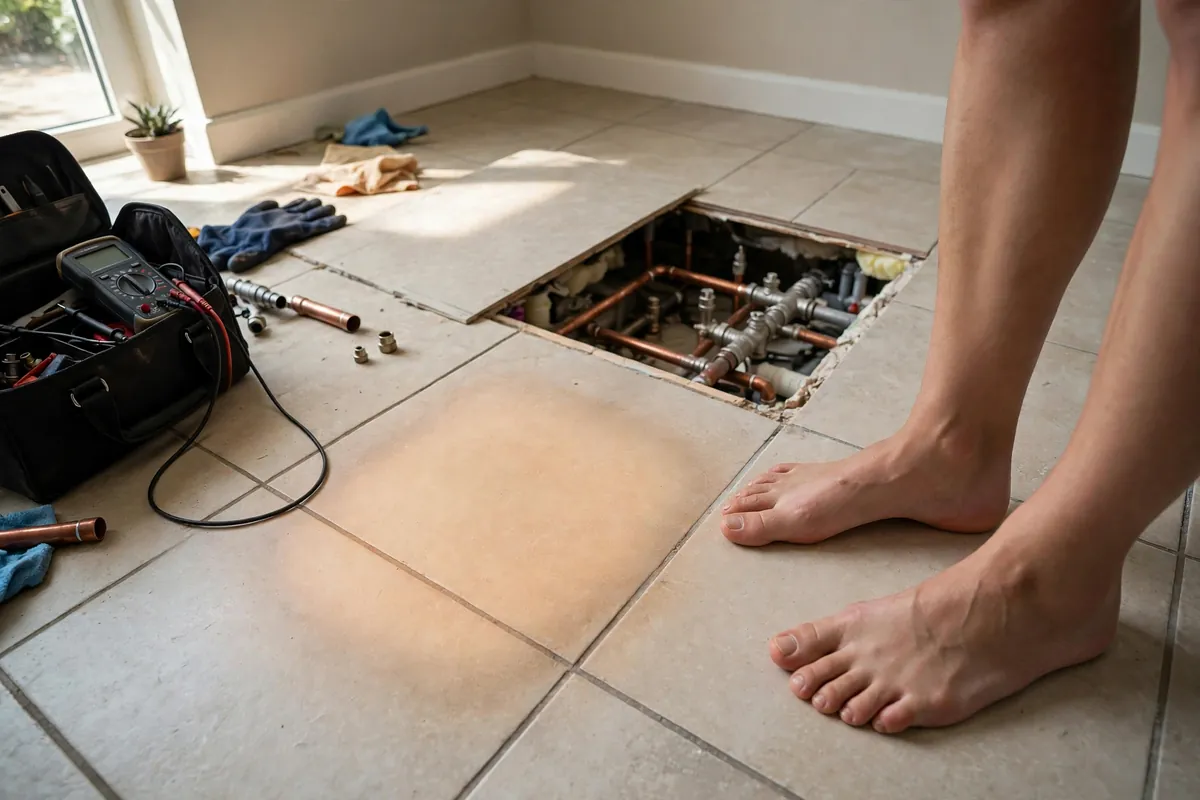
A hot water slab leak is a leak in a hot water pipe buried under your concrete foundation, and its signature symptom is unmistakable: a patch of floor that stays warm around the clock. The leaking hot water heats the slab above it, creating a warm spot you can feel through tile, vinyl, or even carpet. If you have found a warm patch that never cools — not at night, not on cloudy days — a hot water slab leak is the leading explanation.
Hot-side leaks deserve extra attention for two reasons: they waste heated water, so your energy bill climbs alongside your water bill, and the constant heat damages flooring adhesives and finishes faster than a cold leak would. Here is how to confirm what you are feeling, what to do right now, and how professionals locate and fix hot water slab leaks.
A hot water slab leak shows up as a patch of floor that stays warm around the clock, often with the sound of running water, a climbing water bill, a water heater that runs constantly, and hot water that runs out faster than usual. Confirm it with a water meter test and a nighttime barefoot check, then call a professional.
In This Article
What To Do Right Now
A warm floor patch calls for the same calm urgency as any slab leak, with one hot-side addition:
- Confirm the pattern. Check the warm spot at night or early morning, when no sun has touched the floor for hours. Persistent warmth around the clock points to plumbing, not sunlight.
- Run the meter test. Shut off every tap and appliance, then watch the water meter. Movement with everything off confirms water is escaping somewhere in the system.
- Turn the water heater to a lower setting. Dropping it to low or vacation mode cuts energy waste and slightly reduces the leak's flow while you wait for help. Do not drain the tank, and never let the heater run dry.
- Listen at the warm spot. In a quiet house, press your ear to the floor at the warm patch. A hissing or rushing sound directly below is strong corroboration.
- Protect the flooring. Move rugs and furniture off the warm area — heat plus moisture breaks down adhesives and finishes faster than moisture alone.
- Shut the main valve if the meter is spinning fast. A rapidly moving meter means a large leak; stopping the flow when water is not needed limits damage until the technician arrives.
- Call a professional. Hot-side leaks are confirmed by isolating and pressure-testing the hot lines, then pinpointed with thermal imaging — work for a slab leak specialist, not a DIY project.
If the warm patch is spreading, the floor feels hot rather than warm, or the meter is spinning fast, call now — a large hot-side leak wastes heated water around the clock and damages flooring quickly.
Signs To Look For
Hot water slab leaks produce the standard slab leak signs plus a few hot-side exclusives:
- A floor patch that never cools. The defining symptom. Tile conducts heat well, so the warmth is obvious barefoot; on carpet it feels like a faint warm zone. The key test is time — sunlight fades, leaks do not.
- The water heater runs constantly. The tank reheats incoming cold water nonstop to replace what the leak drains. Listen for burner or element cycles far more frequent than your usage explains.
- Hot water runs out faster. The leak siphons hot water before it reaches fixtures, so showers go lukewarm sooner and recovery takes longer.
- Two bills climbing at once. Water usage rises from the leak; energy usage rises from the heater's overtime. When both jump together, suspect the hot side.
- Warmth near the water heater's line path. The warm patch often sits along the route from the heater toward bathrooms or the kitchen — tracing it mentally helps the technician.
- Damp or discolored flooring at the warm spot. Heat plus moisture attacks adhesives, so vinyl may bubble and grout may darken right where the floor feels warm.
Common Causes
Hot water lines fail for the same reasons cold lines do — corrosion, abrasion, pressure, and installation flaws — with heat adding an extra push:
- Accelerated corrosion. Hot water is chemically more aggressive than cold, so copper thins faster on the hot side. Pinholes appear on hot lines years before the cold side shows any trouble.
- Thermal expansion abrasion. Hot lines expand and contract with every heating cycle — far more movement than cold lines see. Where the pipe rubs concrete at a bend or penetration, that daily movement wears through the wall.
- Water heater pressure effects. Heating water expands it, adding pressure spikes to the hot side with every cycle. A failing expansion tank or high baseline pressure multiplies the stress on buried hot fittings.
- Dielectric corrosion at the heater. Where copper meets the steel tank nipples without a dielectric union, galvanic corrosion eats the joint — occasionally the leak sits just at the slab penetration below the heater.
Florida’s hard water adds a final push on the hot side. Mineral-heavy water from the Floridan Aquifer is more aggressive when heated, so copper that might last decades on a cold run can develop pinholes years earlier on the hot side. If your home has never had a water softener and the plumbing is original, the hot lines are the ones to watch first.
The practical upshot: when one hot-side pinhole appears, the rest of the hot run has endured the same conditions, so recurrence is common — a point that matters when choosing between spot repair and reroute.
What Happens If You Wait
Hot water leaks punish delay more than cold ones because heat multiplies every consequence:
- Flooring fails faster. Sustained warmth softens adhesives, warps wood, and bubbles vinyl sooner than cold moisture alone would.
- You pay twice. Every gallon that escapes was heated first — the water bill and the energy bill climb together until the repair.
- The heater wears prematurely. Constant reheating cycles stress the tank, elements or burner, and controls far beyond normal duty.
- Mold gets a head start. Warmth plus moisture is the ideal incubator, so microbial growth establishes faster under heated flooring.
- Soil erosion continues. Like any slab leak, escaping water washes supporting soil from under the foundation — heat does not change this, and time does not improve it.
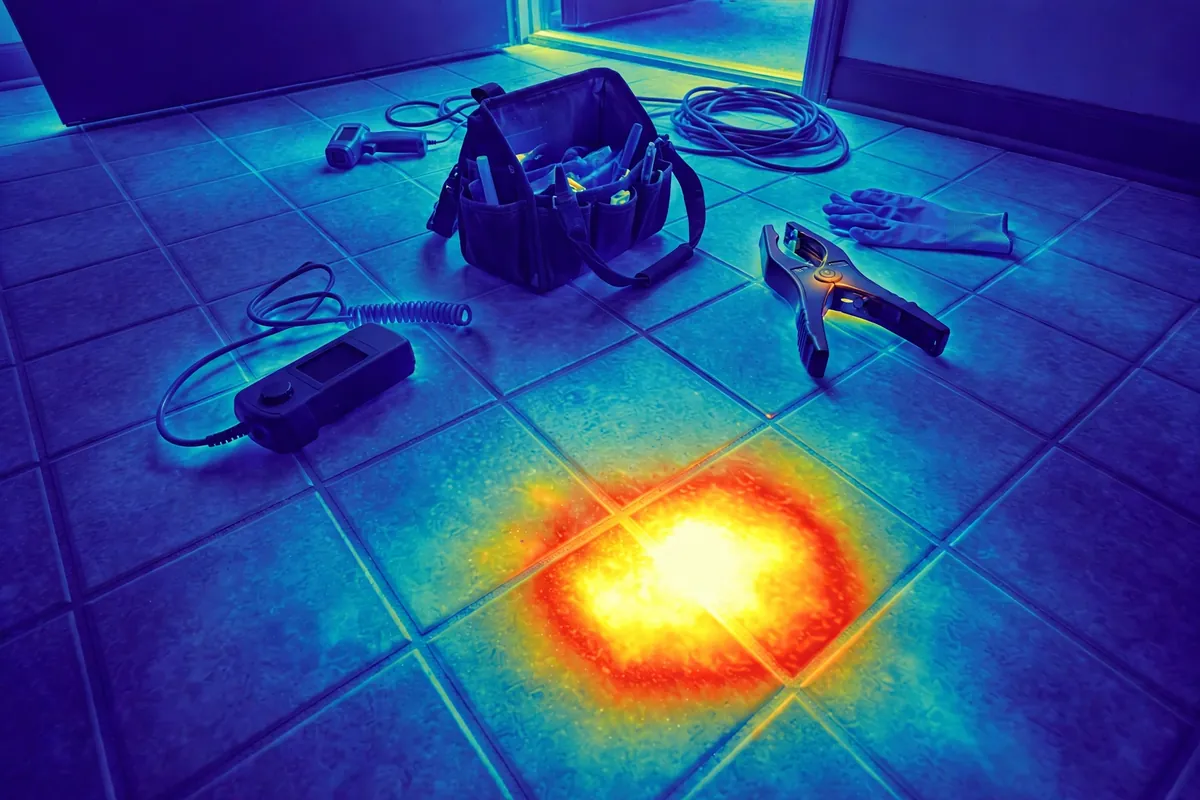
The flip side is encouraging: hot leaks are the easiest slab leaks to find, because the heat plume practically draws a map for the thermal camera. Fast detection, targeted repair, done.
Safe DIY Checks Vs When To Call A Professional
Confirming a hot-side leak is very DIY-friendly; locating and repairing it is not:
| Check Or Task | DIY Or Professional |
|---|---|
| Barefoot warmth test, day and night | DIY — the single most useful check |
| Noting water heater cycle frequency | DIY — just listen over a day |
| Water meter spin test | DIY — confirms water is escaping |
| Confirming the leak is on the hot side | Professional — isolation and pressure testing |
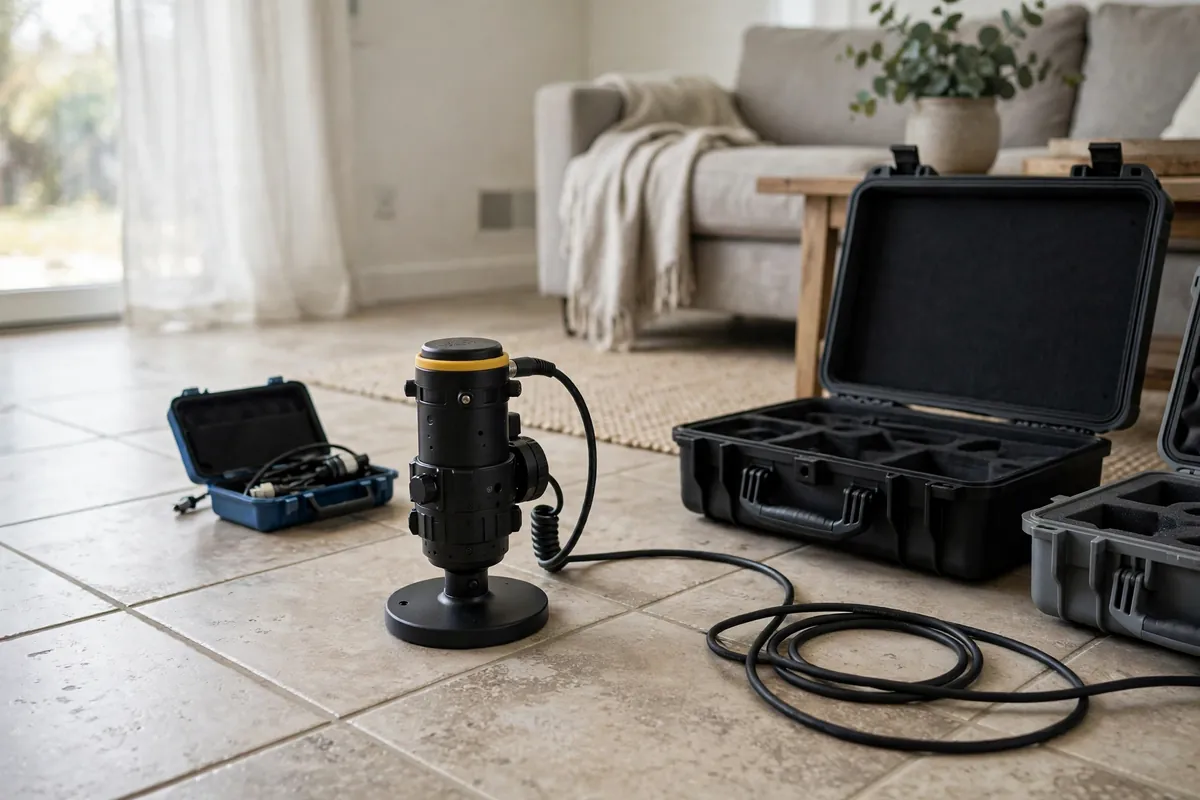
| Pinpointing the break under the slab | Professional — thermal and acoustic equipment |
| Opening the slab and repairing the line | Professional — concrete and pressurized pipe |
| Adjusting or servicing the water heater | Professional — scalding and pressure risks |
The barefoot test and the heater's behavior tell you which side is leaking. Only instruments — thermal cameras, acoustic sensors, pressure gauges — tell you where. And where matters, because the repair opens concrete at that exact spot. A professional detection visit typically confirms the hot side, maps the heat plume, and marks the break in a single appointment.
How The Service Fixes It
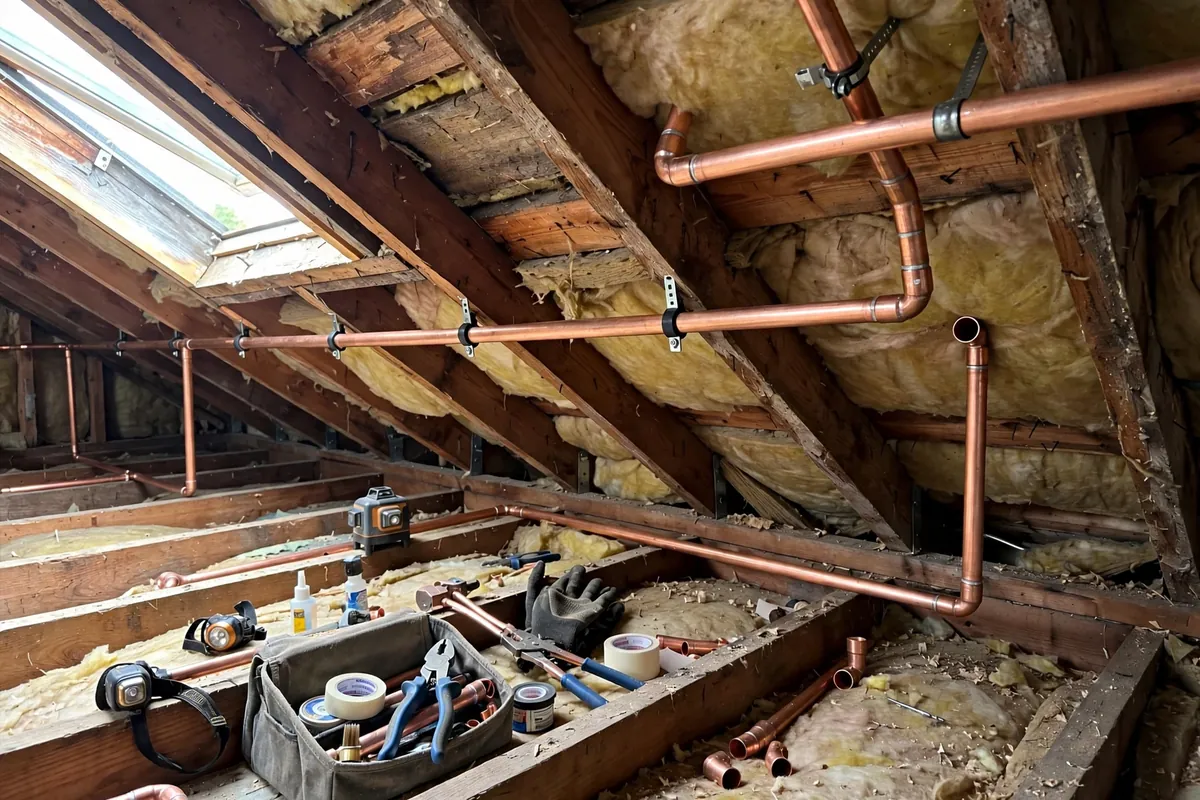
Hot water slab leaks are repaired exactly like other slab leaks once located: the technician isolates and pressure-tests the hot lines to confirm, thermal imaging maps the heat plume, and acoustic listening marks the precise break. Then comes the same choice every slab leak presents — spot repair through the slab or a reroute of the hot run through walls or attic.
One hot-side note: because the remaining hot pipe has endured the same heated conditions, technicians look harder at the rest of the run before recommending a spot repair. If the line shows its age, a reroute of the hot side alone is a common and sensible outcome.
Warm floor right now? Our slab leak detection service finds hot-side leaks fast — the heat signature makes them the quickest to pinpoint. If water is actively surfacing or the meter is racing, emergency service is available around the clock.