Once detection has pinpointed your slab leak, the repair decision usually comes down to two options. A spot repair opens the slab at the leak and replaces just the damaged section of pipe. A reroute abandons the buried line entirely and runs a new line through walls, ceilings, or the attic. Neither option is universally better — the right choice depends on the pipe's age and condition, the leak's location, how many times the line has failed before, and the total cost including putting your floors back together.
This guide explains what each repair actually involves, when each one makes sense, and which questions to ask before you approve the work. No sales pitch — just the trade-offs as a professional sees them.
In This Article
What A Spot Repair Actually Involves
A spot repair is the surgical option. The contractor opens the floor at the marked leak location — usually a square a few feet across — breaks through the concrete, exposes the pipe, cuts out the failed section, and splices in new pipe with proper couplings. The trench is backfilled, the concrete patched, and the flooring restored over the repair.
The appeal is obvious: the repair targets only the failure, the opening is small, and the rest of the plumbing stays exactly as it was. For a first leak on a relatively young line — say, a single bad fitting or a construction nick that finally gave way — a spot repair is often the proportionate response.
The limitation is equally clear: everything that was not replaced is still the same age and in the same condition as the section that failed. If corrosion caused this pinhole, the same corrosion is at work along the rest of the line. A spot repair buys time; it does not renew the system.
The concrete patch and floor restoration deserve their own line in your thinking, because they are part of the true cost. Under carpet or vinyl, making the repair invisible is straightforward. Under tile, the challenge is matching — if your tile is discontinued, the patched square may always look slightly different, and some homeowners use the repair as the moment to re-floor the room. Ask the contractor exactly how they handle flooring transitions before work begins, and get restoration included in the written scope.
What A Reroute Actually Involves
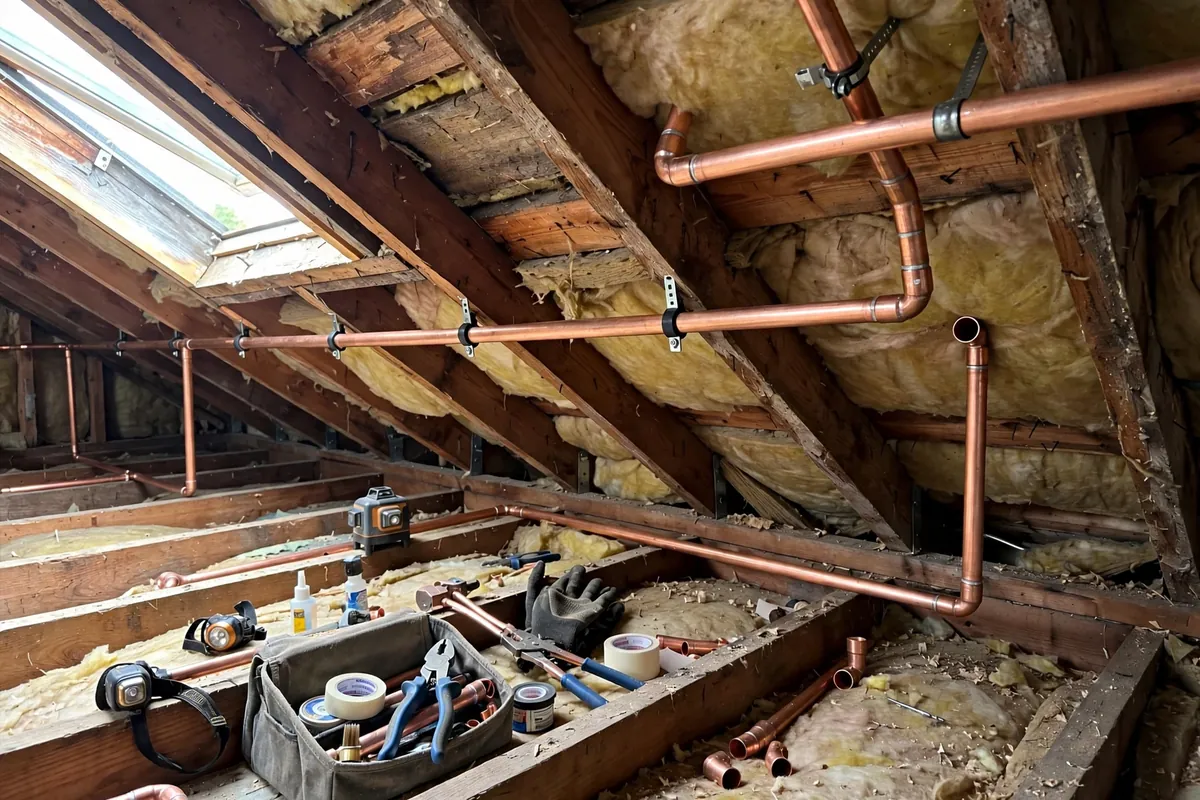
A reroute abandons the problem line instead of chasing it. The plumber caps the under-slab pipe at both ends, then runs a brand-new line from the supply to the fixtures through an accessible path — typically up through walls, across the attic, and back down. The old pipe stays buried and harmless, permanently out of service.
In Florida homes this usually means an attic run. That sounds exposed, but it is standard practice here: attics stay warm, the line is secured and insulated, and — crucially — any future problem with the new line happens where it can be seen and reached, not under four inches of concrete. A reroute converts a buried liability into visible, serviceable plumbing.
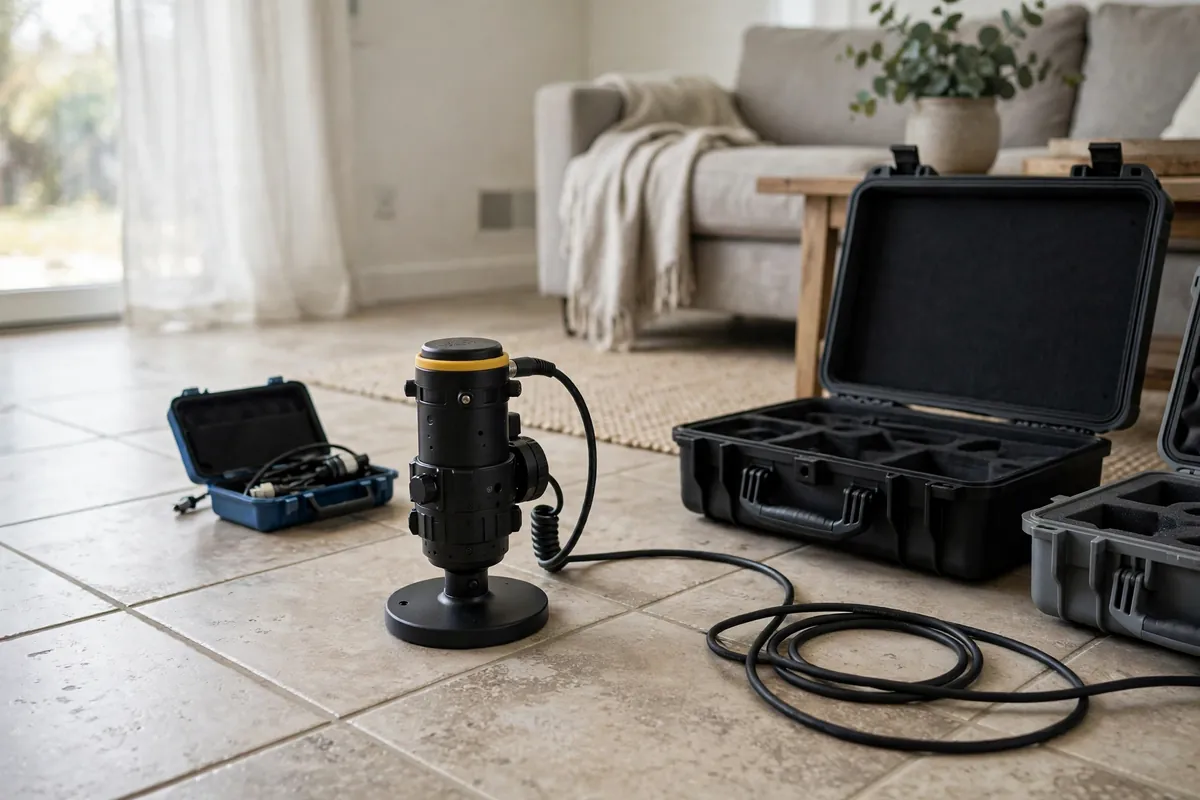
If you have not yet had the leak located, start with a whole-home leak detection visit rather than assuming the repair type in advance. The detection report — which line failed, where, and what condition the rest of the line is in — is what makes the spot-repair-versus-reroute decision an informed one instead of a gamble. A contractor quoting a repair without that report is guessing about the condition of your pipe.
The trade-offs are disruption and scope. A reroute touches more of the house — drywall openings at turns and drops, attic work, patching and paint afterward. It is a bigger project than a spot repair, and it is priced like one. What it buys is a fresh line with its full service life ahead of it and no more slab to open for that run.
Spot Repair Vs Reroute: Side By Side
The honest comparison, without a thumb on either scale:
| Factor | Spot Repair | Reroute |
|---|---|---|
| What gets fixed | Only the failed section | The entire run is replaced with new pipe |
| Concrete opened | One small targeted opening | None — the old line is capped and abandoned |
| Disruption | Localized: one room, floor patch | Wider: attic work, drywall openings, patching |
| Future leak risk on this line | Remains — the rest of the pipe is unchanged | Eliminated — the old line is out of service |
| Best when | First leak, young pipe, isolated failure | Recurring leaks, old corroded pipe, costly flooring |
| Floor restoration | Patch the opened square | Usually none at the slab; drywall touch-ups instead |
Notice what the table does not claim: that one option is always cheaper or always better. Total cost depends on floor type (restoring tile costs more than patching carpet), the leak's location, and how much of the house a reroute must cross. Get both options priced with floor restoration included before deciding.
When A Spot Repair Makes Sense
Choose the spot repair when the failure looks isolated rather than systemic:
- The line is relatively young. A leak caused by a single bad joint or a construction nick on otherwise sound pipe is a spot-repair candidate.
- This is the first leak on this line. One failure is an incident; a pattern is a condition. The first incident usually earns a targeted fix.
- The rest of the line tests well. If pressure testing shows the remaining pipe holding firmly, there is less reason to abandon it.
- The leak sits under an easily restored floor. Carpet or vinyl over the break keeps restoration simple and cheap, strengthening the spot-repair case.
- Budget demands the smaller project now. A spot repair done properly is a legitimate repair, not a shortcut — it just carries the understood risk of future leaks on the same aging line.
When A Reroute Makes Sense
Choose the reroute when the line itself is the problem:
- Leaks keep recurring on the same line. The second or third pinhole in one run is the pipe telling you its condition. Stop patching and replace the run.
- The pipe is old and corroded throughout. When inspection or history shows widespread thinning, each remaining section is a future leak with a date stamp.
- The leak sits under expensive or irreplaceable flooring. Opening custom tile or hardwood twice costs more than one reroute that never touches the floor.
- Multiple branches show weakness. If pressure testing flags more than one failing section, abandoning the run beats a series of spot repairs.
- You want the problem finished. Some homeowners simply prefer paying once for a new accessible line over living with the question of where the next pinhole opens.
A useful rule of thumb from working plumbers: the first leak gets a spot repair, the second leak on the same line starts the reroute conversation. It is not a law, but it reflects how these decisions usually play out.
What About Epoxy Lining Instead?
You may hear about trenchless epoxy lining as a third option. It is worth understanding clearly: cured-in-place epoxy lining is designed for drain and sewer lines, not pressurized water supply lines under a slab. A separate service, sewer line epoxy lining, handles failing drains — but a leaking pressurized water line needs a spot repair or reroute, not a liner. Our guide to trenchless options for underground pipe leaks explains exactly what lining can and cannot fix, so nobody sells you the wrong technology for the wrong pipe.
Questions To Ask Before You Approve The Work
Whether you lean toward spot repair or reroute, these questions separate a thorough contractor from a hurried one:
- Where exactly is the leak, and how was the location confirmed?
- What is the condition of the rest of this line — did you pressure-test it?
- Does your price include floor and drywall restoration, or is that separate?
- How long will my water be off, and what is the realistic schedule?
- If we spot-repair now and it leaks again nearby, what then?
- For a reroute: what path will the new line take, and how many openings will you need?
A contractor who answers directly — especially the uncomfortable ones about recurrence — is the contractor to hire. If your situation is urgent, our emergency slab leak service handles both detection and repair around the clock; otherwise start with a scheduled slab leak evaluation and make the decision with full information.