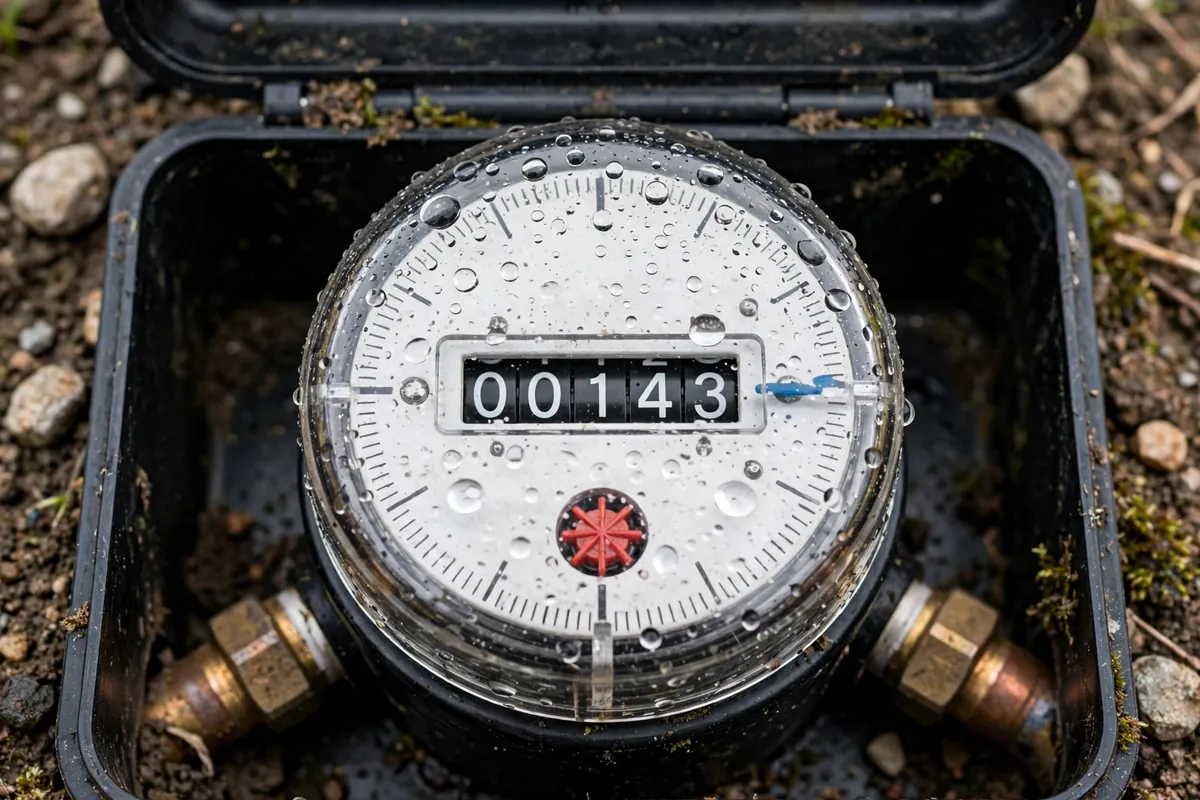
Rolling Meadows homeowners usually call us with a number, not a puddle: a water bill that jumped 30, 50, or 100 percent with no change in household habits and nothing visibly leaking. In a residential area along the US-441 corridor near Lake Square Mall, the culprit is most often an underground line — a service line, an irrigation lateral, or a pool feed — losing water into sandy soil that swallows the evidence. Our first move is always the meter: a proper meter test tells us in minutes whether water is escaping and roughly how much.
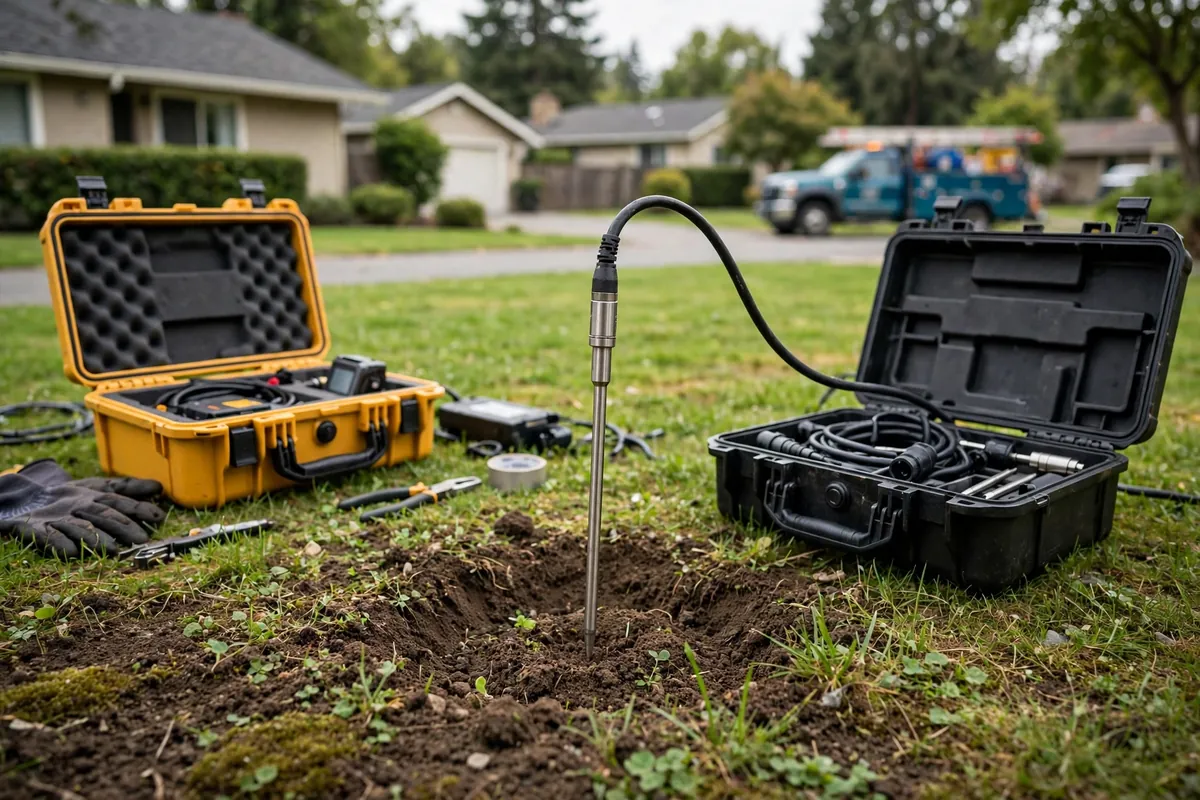
Leesburg's ground conditions explain why these leaks stay hidden. Karst soil shifts with the wet and dry seasons, flexing buried lines at their joints until one gives way, and the sandy earth drains the leaking water downward instead of pooling it on the surface. Hard Floridan Aquifer water adds interior scaling that stresses aging connections. We combine meter diagnostics, pressure testing, and acoustic listening along buried pipe paths to find the exact failure — turning a baffling bill into a marked spot your plumber can fix.