A suddenly high water bill usually means one of three things: you used more water than you realized, the bill itself has an error, or water is escaping somewhere unseen. The third option — a hidden leak — is the one that costs you every month until it is found.
The reassuring part is that most causes are checkable by a homeowner in under an hour, with no tools beyond your eyes and your water meter. This guide walks through those checks in the order a professional would run them, so you either find the culprit or arrive at a confident "I need help" with useful information in hand.
Start by comparing the bill to prior months to confirm the jump is real, then check the usual suspects: running toilets, dripping faucets, irrigation stuck on, and a pool autofill working overtime. Read your water meter with everything off — if it moves, water is going somewhere. If the meter moves and you cannot find the source, call for professional leak detection.
In This Article
What To Do Right Now
Work through these in order. Each step either finds the problem or narrows the search:
- Confirm the jump is real. Compare the current bill's usage (gallons or cubic feet) to the last three months — not just the dollar amount, which can change with rates. A genuine usage spike points to water going somewhere.
- Think about legitimate causes. Houseguests, a newly filled pool, reseeded lawn, or irrigation running extra during a dry spell all use real water. Rule these out honestly before hunting leaks.
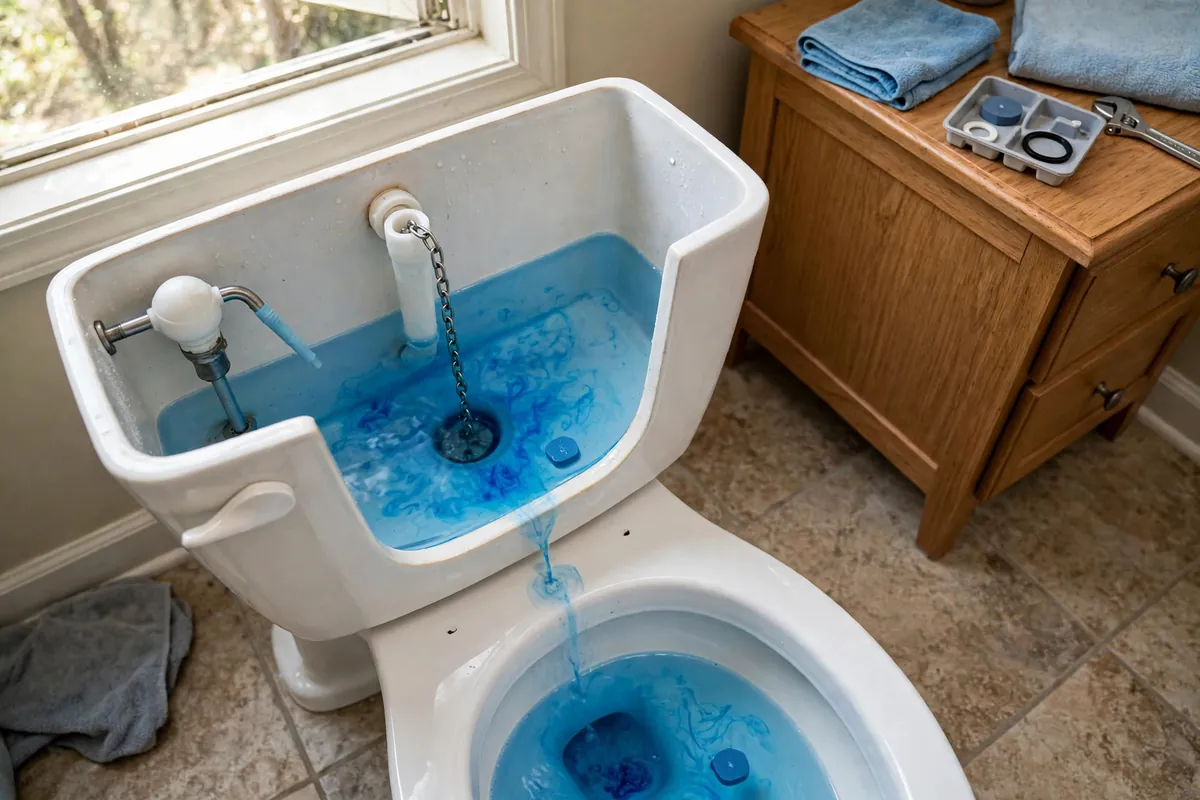
- Check every toilet. A silently running toilet is the single most common cause of a mysteriously high bill. Lift each tank lid and look and listen — then run the dye test, which takes five minutes per toilet.
- Walk the house. Look under sinks, behind toilets, around the water heater, and at every visible faucet and hose bib for drips, dampness, or mineral crust.
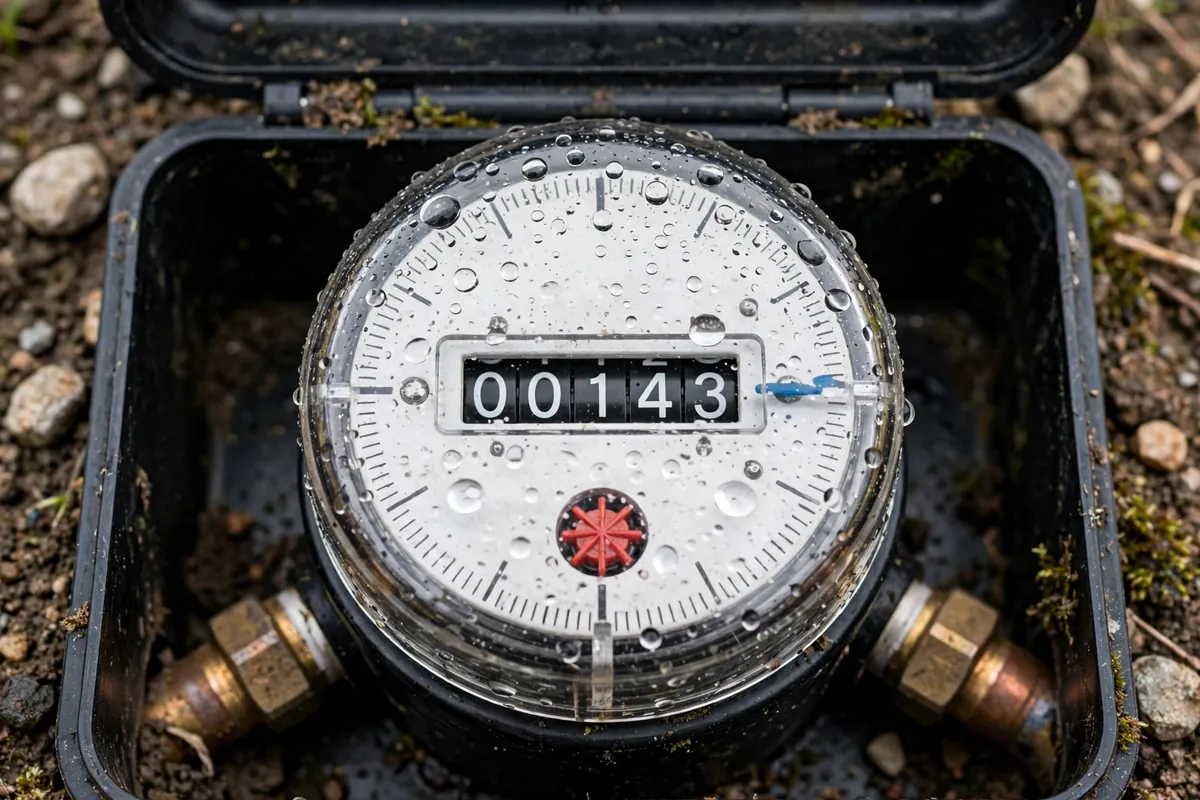
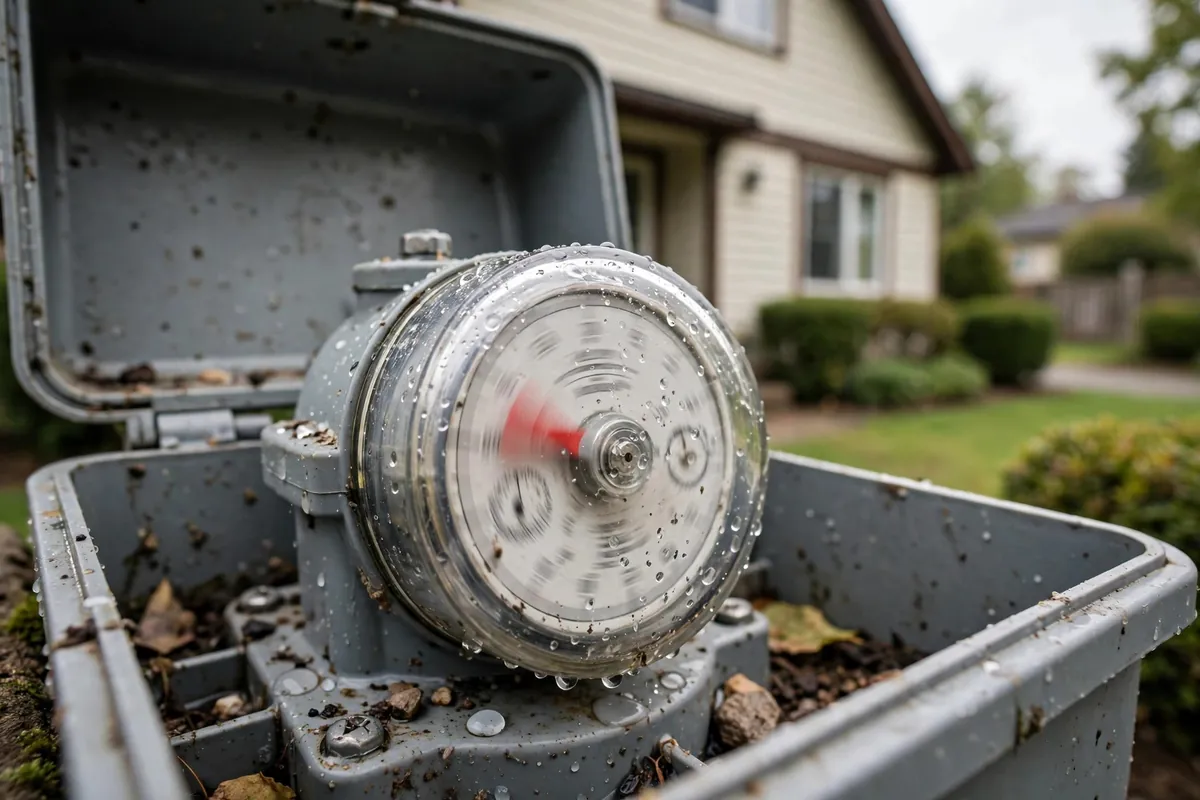
- Read the water meter. With everything in the house off, watch the meter — our guide to reading your water meter for leaks shows exactly how. A moving meter means water is flowing somewhere.
- Check the yard and irrigation. Look for soggy patches, greener-than-usual grass strips, and sprinkler zones that seem stuck on. Irrigation leaks are a top cause of high bills in Florida.
- Check the pool autofill. A pool quietly refilling itself day and night shows up on the water bill, not the pool surface.
If the meter moves with everything off and none of these checks finds the source, the leak is hidden — in a wall, under the slab, or underground. That is professional territory.
Call now if the meter is spinning fast with everything off, or you find wet floors, buckling wood, or a soggy yard — a fast leak is doing damage every hour it runs.
Signs To Look For
A high bill is often the first sign, but hidden leaks usually leave secondary clues:
- The meter moves with everything off. This is the definitive test — see what a spinning meter means.
- Toilets that run, refill, or phantom-flush. Any toilet that makes noise when nobody used it is wasting water around the clock.
- Damp spots, musty smells, or warped flooring. Signs of water where it should not be, pointing to a leak inside the structure.
- Lush green patches in the yard. Grass thriving in one strip while the rest struggles is drinking leaked water.
- The sound of running water. Hissing or trickling behind walls or under floors when nothing is on.
- Low water pressure. A significant leak can drop pressure at the taps, especially on the affected side of the house.
- A hot spot on the floor. Warm flooring can indicate a hot-water line leaking under the slab.
Common Causes
Ranked roughly by how often they cause surprise high bills:
- Running toilets. A worn flapper or misadjusted fill valve can waste water silently for months. Toilets deserve first suspicion, always.
- Irrigation leaks. A cracked lateral line or stuck zone valve waters the yard — and the water bill — far beyond the programmed schedule. Florida's year-round irrigation season makes this a leading cause locally.
- Dripping faucets and hose bibs. Individually small, but a steady drip runs 24 hours a day.
- Pool autofill or pool leak. A pool losing water to a leak gets refilled automatically, and you pay for every gallon twice — once in water, once in chemicals.
- Water service line leaks. The buried line from the meter to the house can break and drain water into the soil without any surface sign.
- Slab leaks. A pressurized line under the concrete foundation leaking continuously — often betrayed by a warm floor spot or the sound of running water.
- Water heater leaks. A failing tank or relief valve can discharge water steadily, sometimes into a drain where you never see it.
What Happens If You Wait
A high bill from a leak is not a one-time event — it repeats every billing cycle until the leak is fixed:
- The overcharges compound. Whatever the leak cost this month, it will cost again next month, and the month after. Finding it sooner is pure savings.
- Hidden water damages the home. Water inside walls, under floors, or beneath the slab causes rot, mold growth, and flooring damage that costs far more than the water itself.
- Soil erosion. An underground or under-slab leak washes soil away over time, which can settle concrete and shift plumbing further.
- Mold risk. Persistent dampness inside the structure creates conditions where mold thrives — a health and remediation concern, not just a cosmetic one.
- The leak does not stabilize. Worn flappers, cracked pipes, and failed valves do not heal. They get worse.
The bill is actually doing you a favor: it is the leak announcing itself. Answer it.
Safe DIY Checks Vs When To Call A Professional
Homeowners can safely run the full first round of investigation. The professional line is crossed when the leak is confirmed but invisible, or when the fix involves plumbing systems:
| Safe DIY Checks | Call A Professional |
|---|---|
| Compare bills and rule out legitimate high usage | Locate a leak inside a wall or under the slab |
| Dye-test every toilet and listen for running water | Pressure-test the water service line from meter to house |
| Read the water meter with everything off | Use acoustic equipment to pinpoint a buried line break |
| Walk the house and yard looking for dampness and soggy spots | Open walls or cut into plumbing to make a repair |
| Check irrigation zones and the pool autofill | Diagnose a leak when the meter moves but nothing is visible |
A useful principle: diagnosing is mostly safe; opening walls, cutting pipe, and working on pressurized lines is not. When your checks say "leak" but your eyes say "where?", that is exactly what leak detection companies exist for.
How The Service Fixes It
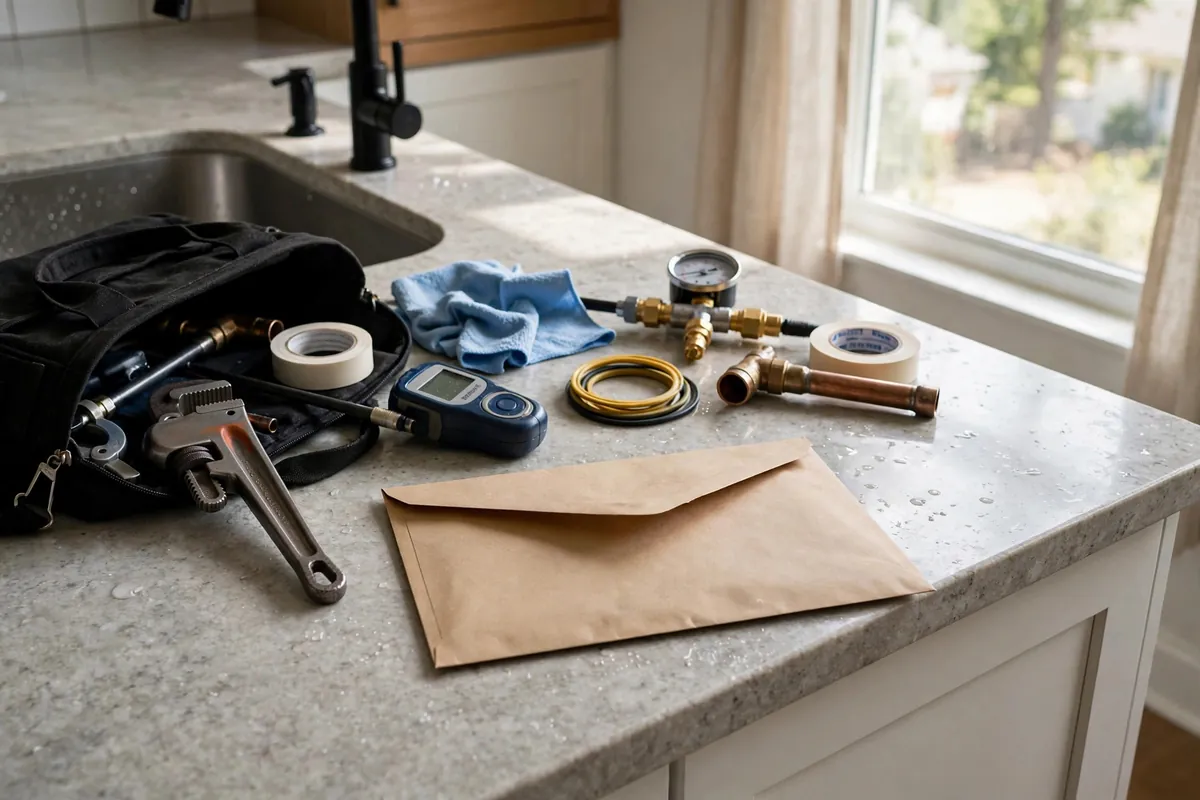
When your own checks point to a hidden leak, our high water bill leak detection service in Leesburg takes it from there. We verify the meter behavior, then systematically test the likely sources — toilets, irrigation, service line, under-slab plumbing — using acoustic listening, pressure testing, and thermal imaging to find leaks inside walls, under concrete, and underground without tearing the house apart.
We are a 24/7 service with 30–45 minute arrival and 19 years of finding exactly this kind of leak. If the meter is spinning fast or you have found water damage, our emergency leak service covers nights and weekends. Call (352) 703-8206 and we will track down where your water — and your money — is going.