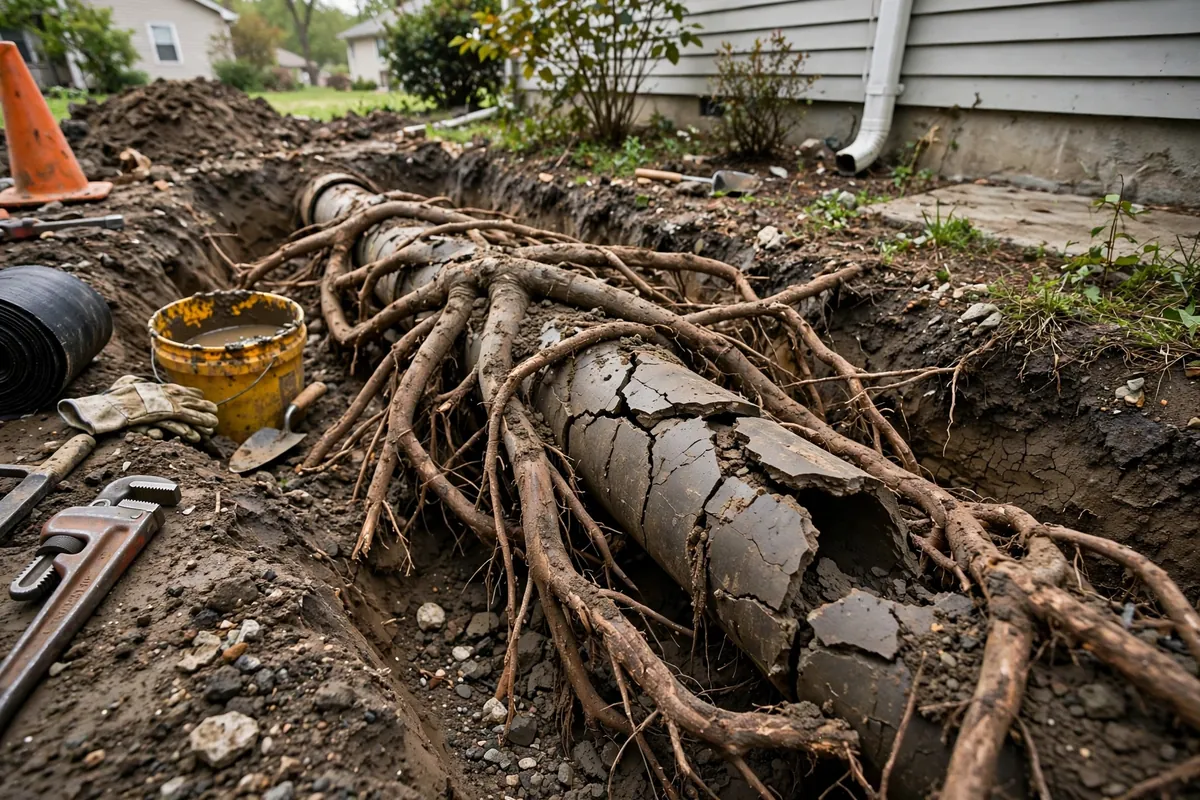
Tree roots damage underground pipes through a simple sequence: roots seek moisture, find the damp soil around a pipe joint or crack, slip hair-thin feeder roots through the opening, and then grow — wedging the opening wider year after year until the pipe clogs, cracks, or collapses. The critical fact most homeowners miss is that roots exploit existing vulnerabilities; they rarely break sound pipe. That changes both the diagnosis and the fix.
This guide covers which pipes are at risk, how to recognize root intrusion, how professionals confirm it with camera inspections, what actually resolves it, and how to keep it from recurring. Florida's year-round growing season and thirsty tree species make this a local priority, not a theoretical one.
In This Article
Why Roots Hunt For Pipes
A tree's root system is a moisture-seeking network, and it is remarkably good at its job. Fine feeder roots detect minute differences in soil moisture and grow toward the wetter zone. A buried pipe — especially one with a weeping joint — creates a permanent moisture gradient in the surrounding soil, essentially broadcasting its location to every root system within reach.
Florida intensifies this dynamic. The growing season never really stops, so roots grow year-round rather than pausing for winter. Sandy soils let roots travel fast and far with little resistance. And periodic dry spells make the reliable moisture around a pipe joint even more attractive relative to the surrounding soil. None of this means trees and pipes cannot coexist — millions do — but it explains why the combination deserves respect and monitoring.
Which Pipes Roots Invade
Roots go where openings exist, and openings cluster in predictable places:
- Sewer and drain lines with joints. The classic victim. Clay tile, cast iron, and older PVC sewer lines have joints every few feet, and each joint is a potential entry point once seals age and shift. The nutrient-rich contents make these lines doubly attractive.
- Water service lines at fittings. Less famous but real — a compromised joint on a water service line admits roots just as readily. Line pressure does not prevent entry at a failed joint.
- Older pipe materials generally. Clay tile joints separate, cast iron corrodes at the hub, Orangeburg (bituminized fiber) pipe deforms — each aging material offers roots its own style of opening.
- Shallow-buried lines. The shallower the pipe, the denser the root zone it passes through. Depth is passive protection.
Modern properly-joined PVC with sound solvent welds resists intrusion well — which is why root problems concentrate in older installations and at repair couplings done poorly.
Signs Roots Have Found Your Line
Root intrusion announces itself in stages. Early detection keeps the fix small:
- Drains slow down, especially the lowest fixtures. Toilets, tubs, and floor drains are the first to feel a partial root blockage in the main line. If snaking clears it temporarily and it returns, roots are the likely tenant.
- Gurgling from drains and toilets. Water forcing past a root mass gurgles and bubbles — the sound of drainage fighting an obstruction.
- Recurring backups at the same fixtures. One backup is an incident; the same backup every few months is a condition. Roots regrow into uncleared or unrepaired openings on a predictable cycle.
- Lush patches over the pipe route. A sewer leak fertilizes the soil above it, so an unusually vigorous strip of lawn can map the pipe's path — and its failure point.
- Sinkholes or depressions in the yard. Advanced intrusion can collapse pipe sections, and the soil above follows. A new dip in the lawn over a known pipe route deserves immediate attention.
Note what is absent from this list: the water meter. Root intrusion in a sewer line does not move the meter — that test distinguishes supply-side from drain-side problems, as our water versus sewer comparison explains.
How Professionals Confirm Root Intrusion
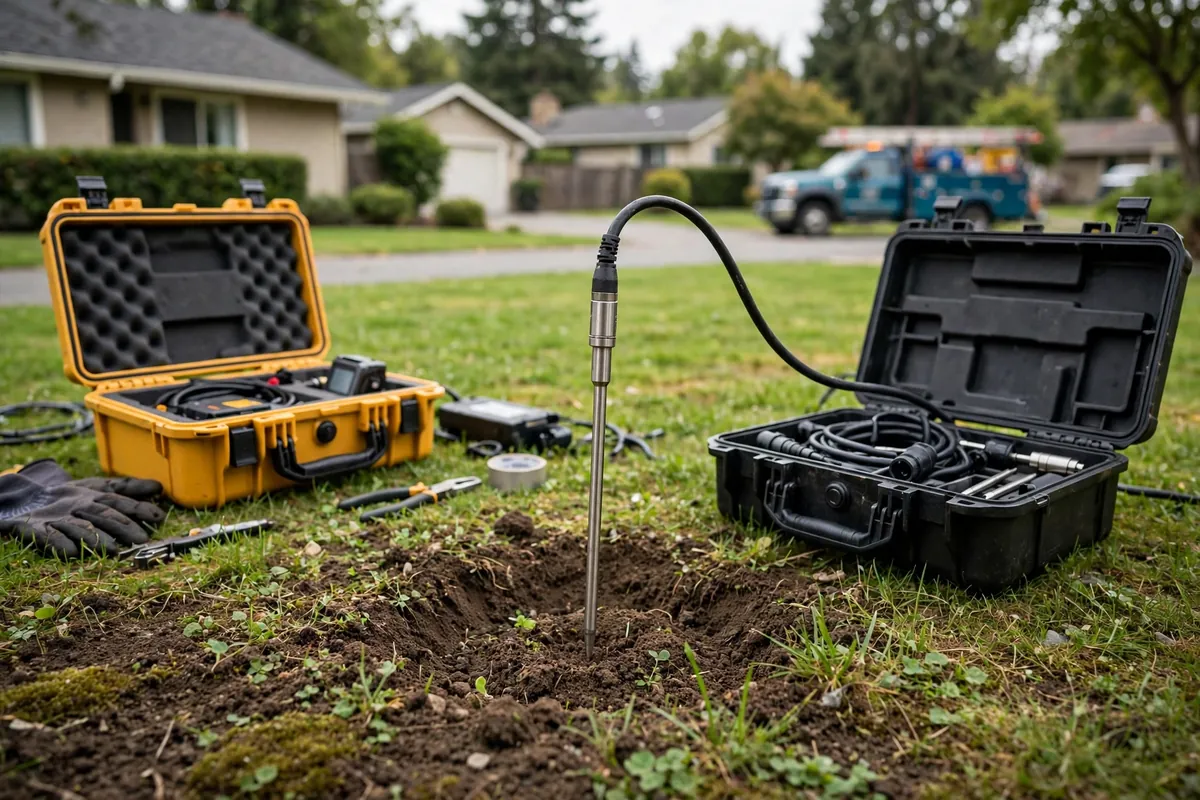
Suspicion is not a diagnosis. When flow is fully blocked, main line clearing comes first — the lens cannot see through a solid root mass. Professionals then confirm root intrusion with a sewer camera inspection: a waterproof camera pushed through the line on a flexible rod, transmitting live video of the pipe's interior. Roots are unmistakable on camera — pale fibrous masses entering at joints, sometimes filling the pipe like a net.
The camera does more than confirm roots; it maps the extent and the pipe's condition. Fine intrusion at one joint is a different project from root masses at every joint in a collapsed clay line. The footage shows cracks, offsets, bellies (sagging sections), and collapses — the full picture that determines whether the answer is cleaning, lining, or replacement. Always ask for a copy of the video; it is your record and your second-opinion tool.
For suspected water service line involvement, acoustic and pressure testing locate the breach, and excavation reveals whether roots contributed. The two investigations use different tools because the two systems fail differently.
Removal Versus Repair: Your Options
Clearing roots and fixing the pipe are two different jobs, and confusing them is the most expensive mistake in this guide:
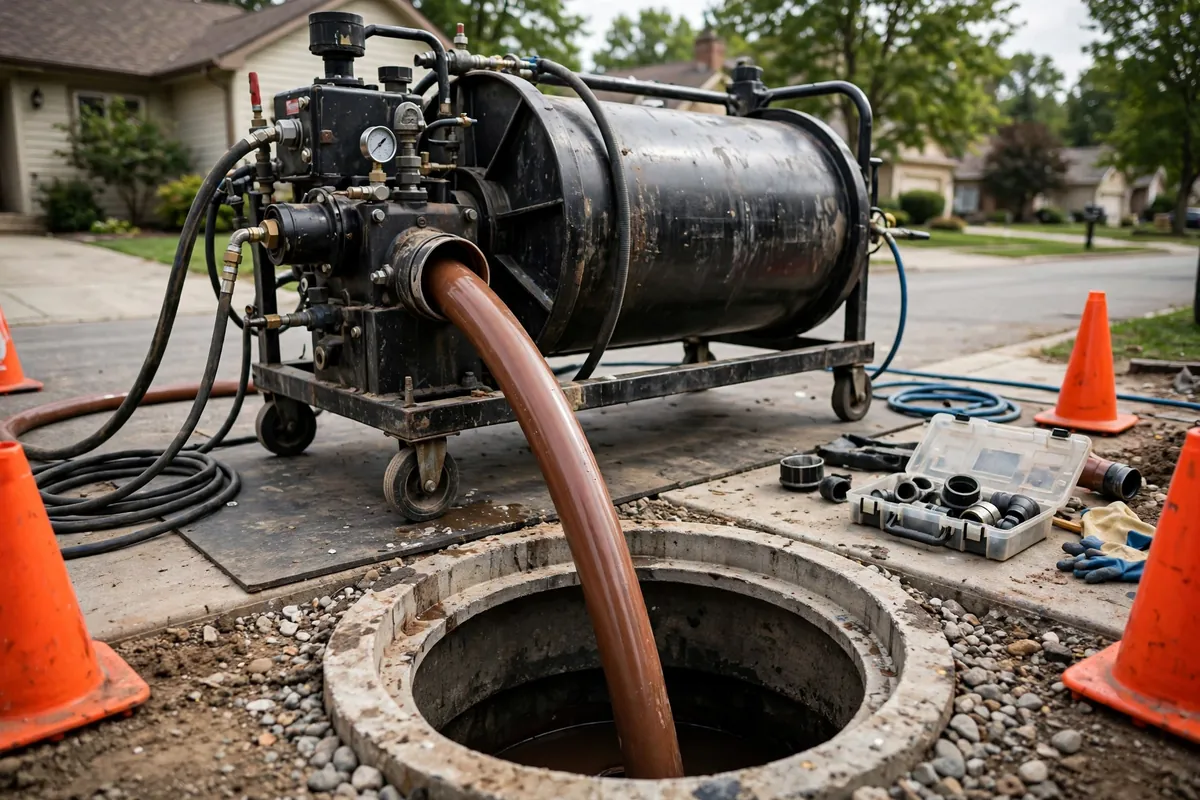
- Mechanical clearing (cutting). A powered cutter head shears the root mass out of the pipe, restoring flow. It is fast and relatively inexpensive — and purely temporary, because the opening that admitted the roots remains. Expect regrowth.
- Hydro jetting. High-pressure water scours roots and buildup from the pipe walls more thoroughly than cutting alone. Still temporary without a structural fix, but better preparation for one.
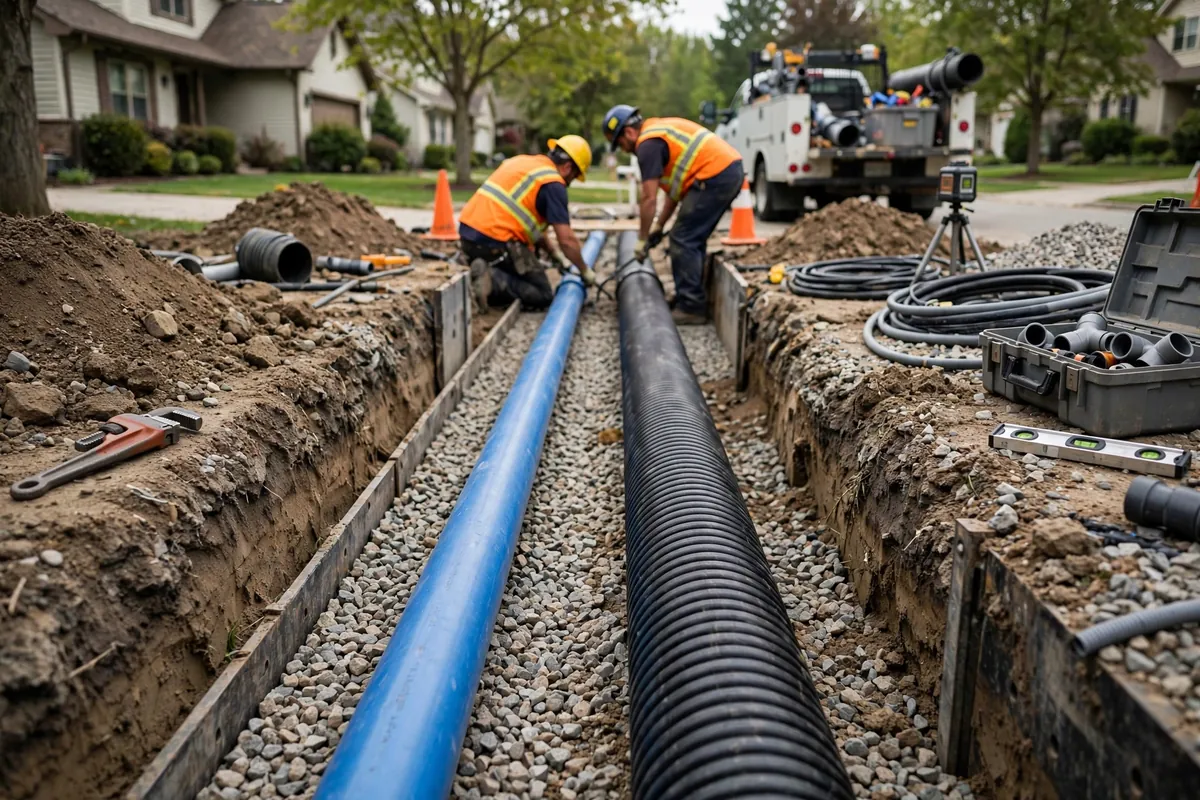
- Spot repair at the entry point. Excavate at the compromised joint and replace the section with sound pipe and proper joints. Appropriate when the camera shows an otherwise healthy line with one bad joint.
- Trenchless lining. A cured-in-place liner creates a seamless new pipe inside the old one, eliminating every joint — and every root entry point — along the lined section. Ideal for lines with multiple compromised joints but sound overall structure.
- Full replacement. When the pipe is collapsed, severely offset, or made of a failed material throughout, replacement is the honest answer. More disruptive, but it resets the clock completely.
The rule: clearing buys time; repair buys resolution. A reputable contractor says which one they are selling.
If you are paying for root clearing every year, add up three years of it — that total often approaches the cost of a permanent repair. Annual clearing is maintenance for a pipe you plan to replace, not a strategy.
Preventing Roots From Coming Back
After the repair, keep the new work root-free:
- Fix the pipe, not just the roots. A sound joint or a seamless liner gives roots nothing to enter. This single step prevents more recurrence than everything else combined.
- Plant with distance. When landscaping, keep large thirsty species well away from known pipe routes. Your plumber or the camera footage can tell you where the lines run.
- Consider root barriers for new plantings. Physical shields buried between a new tree and a pipe route redirect growth downward and away. They protect future plantings, not existing invasions.
- Schedule periodic camera checks. For properties with a history of intrusion, a camera inspection every couple of years catches new problems at the hair-root stage, when the fix is smallest.
- Address small drain slowdowns early. The gurgling toilet is the early warning. Calling at the gurgle stage beats calling at the backup stage every time.
Trees and plumbing coexist fine across Florida — the failures come from vulnerable pipe, not from villainous trees. Fix the vulnerability and the roots become a landscaping feature again instead of a plumbing problem.